


Selecting the Best Gloves for Your Work Environment
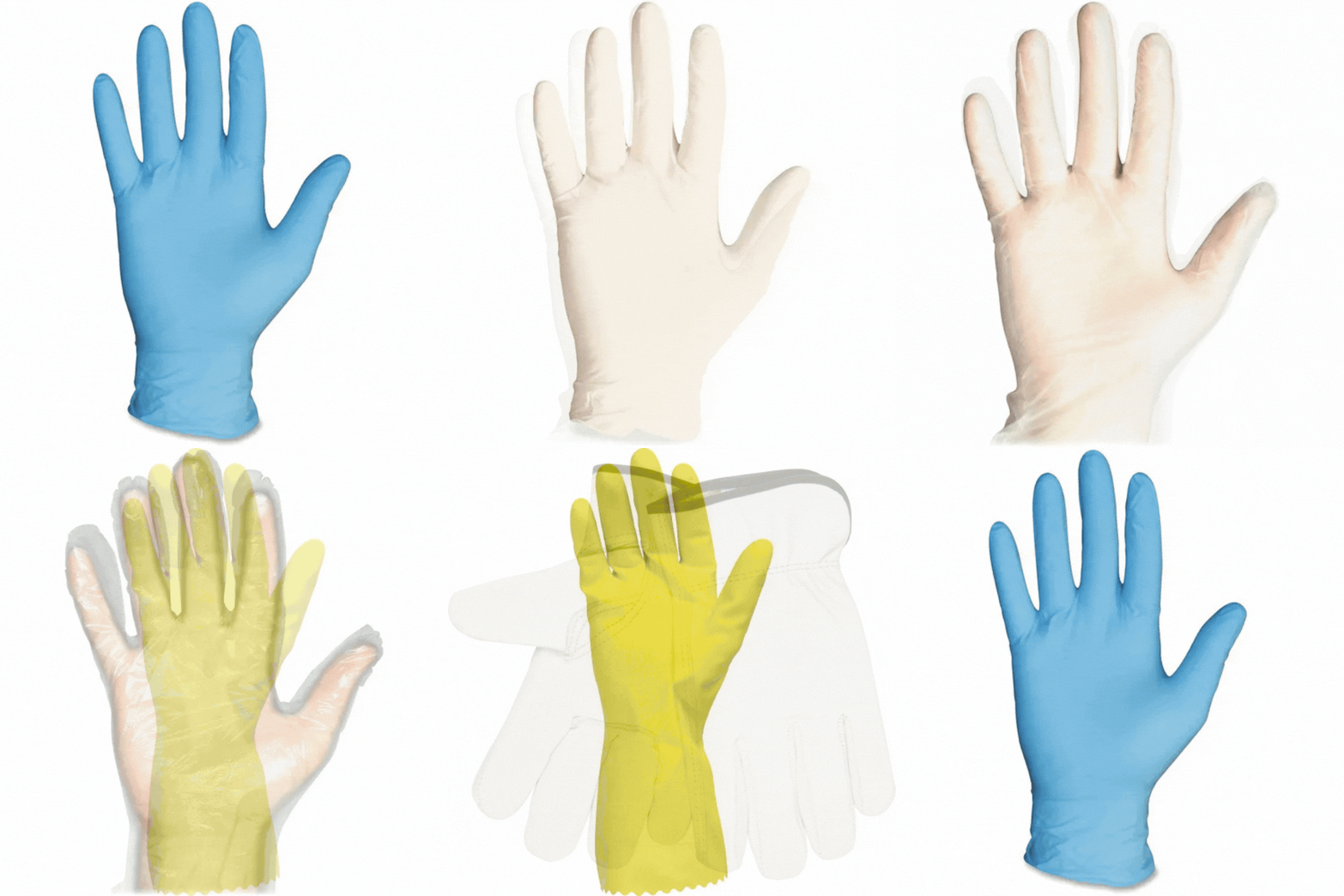
Protecting hands is one of the most important steps in maintaining safety, hygiene, and productivity in any workplace. At AAA Workspace, we offer a full range of disposable and reusable gloves designed for healthcare, janitorial, food service, industrial, and facility maintenance environments. From nitrile and latex exam gloves to vinyl and heavy-duty work gloves, each type is engineered to provide the right balance of protection, durability, comfort, and dexterity for specific tasks. Disposable gloves create a protective barrier against contaminants, chemicals, and bacteria, helping reduce cross-contamination and workplace hazards. Whether you’re stocking a medical clinic, maintaining a facility, preparing food, or handling tools and equipment, AAA Workspace helps you choose the right glove solution to keep teams safe and operations running smoothly. Selecting the right gloves for your workplace helps improve safety, hygiene, and productivity. Different tasks require different levels of protection, durability, and flexibility. By understanding the materials, hazards, and work environments involved, you can choose gloves that provide the best balance of protection and comfort for your team.
Know your needs
Get the Right Gloves & Fit
Choosing the right gloves for your workplace helps protect employees, improve efficiency, and reduce safety risks. Follow these key considerations when selecting gloves for your facility.
1. Identify the Task
Start by considering the type of work being performed. Disposable gloves are ideal for tasks that require hygiene and contamination control, such as medical exams, food preparation, and janitorial cleaning. Reusable work gloves are better suited for construction, maintenance, landscaping, or warehouse operations where durability and grip are essential.
2. Choose the Right Material
Glove materials provide different benefits depending on the application:
- Nitrile Gloves – Strong, puncture-resistant, and chemical resistant. Excellent for janitorial, medical, and industrial use.
- Latex Gloves – Flexible with superior tactile sensitivity, ideal for detailed tasks such as medical or laboratory work.
- Vinyl Gloves – A cost-effective option for light-duty tasks like food service and general facility cleaning.
- Cut-Resistant Gloves – Designed to protect against sharp tools and materials.
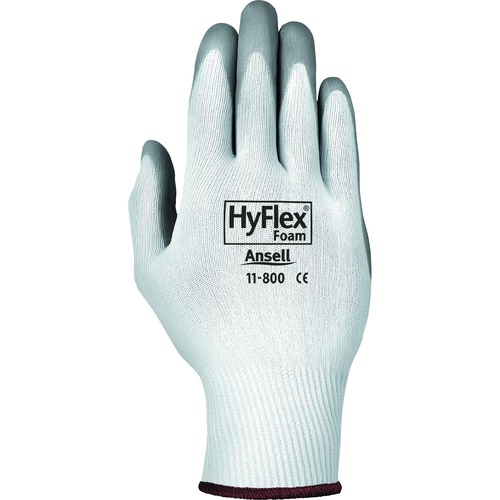
- Work Gloves – Built for durability, grip, and protection in industrial or construction environments.
3. Consider the Hazards
Think about what workers need protection from. Gloves may be needed to guard against:
- Chemicals or cleaning solutions
- Sharp objects or cutting tools
- Abrasion or heavy materials
- Biological contaminants or food handling risks
Choosing gloves designed for these hazards helps prevent injuries and maintain workplace safety.
4. Ensure Proper Fit and Comfort
Gloves that fit properly improve dexterity, grip, and comfort during extended use. A glove that is too tight may tear or cause fatigue, while a loose glove can reduce control and safety. Selecting the right size and material ensures workers can perform tasks efficiently without sacrificing protection.
5. Match Gloves to Your Industry
Different industries require specialized glove solutions. Healthcare and laboratories rely on exam gloves for contamination control, food service operations need disposable gloves for sanitation, janitorial teams require chemical-resistant protection, and industrial workplaces depend on durable work gloves to protect against mechanical hazards.
Choosing the right glove helps protect workers, improve efficiency, and reduce workplace risks. If you’re unsure which gloves are best for your facility, the experts at AAA Workspace can help recommend the right solution for your environment.
6. How to Measure Your Hand
To determine your glove size, measure around the widest part of your palm, excluding the thumb. Use a flexible measuring tape and wrap it around the palm just below the knuckles. The measurement in inches typically corresponds to your glove size.
General Glove Size Guide
| Hand Measurement (inches) | Recommended Glove Size |
|---|---|
| 7 – 8 inches | Small |
| 8 – 9 inches | Medium |
| 9 – 10 inches | Large |
| 10 – 11 inches | Extra Large |
| 11 – 12 inches | XXL |
Fit Tips
- Gloves should fit snugly without restricting movement.
- Fingers should reach the ends of the glove without excess material.
- The cuff should stay securely around the wrist.
- Workers who frequently remove and replace gloves may prefer a slightly looser fit for easier changes.
Nitrile Gloves
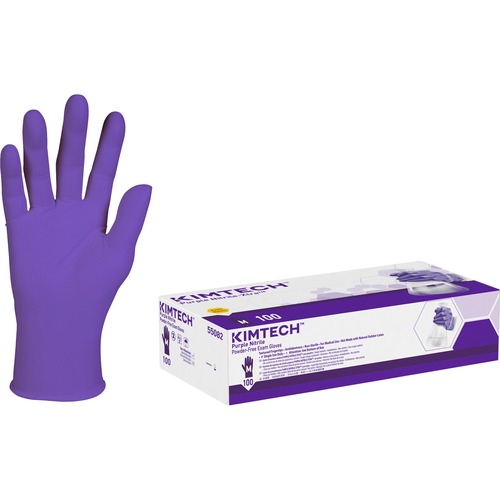
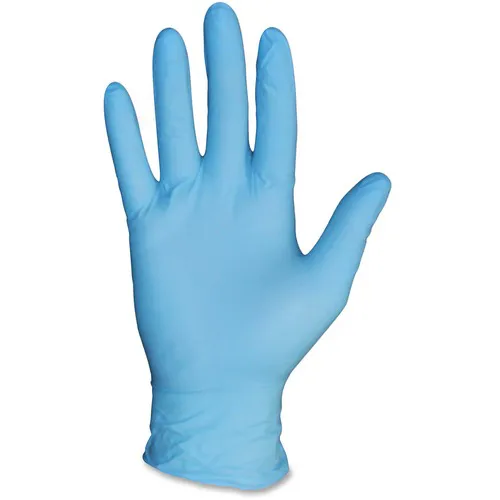
Nitrile gloves are one of the most versatile and widely used disposable gloves in professional environments. Made from synthetic rubber, they provide excellent puncture resistance, strong chemical protection, and reliable durability while remaining latex-free for users with sensitivities. These gloves are ideal for healthcare, janitorial, automotive, laboratory, and industrial applications where protection from oils, chemicals, or contaminants is essential.
Facts About Nitrile Gloves
Nitrile gloves are one of the most widely used disposable gloves in professional environments because of their strength, chemical resistance, and latex-free composition. Originally developed as an alternative to latex gloves, nitrile has become the preferred glove material across many industries including healthcare, janitorial services, food processing, automotive repair, and industrial maintenance.
Latex-Free and Allergy Safe
Nitrile gloves are made from synthetic rubber, meaning they do not contain natural latex proteins that can cause allergic reactions. This makes nitrile gloves a safer choice for workplaces where employees or customers may have latex sensitivities.
Superior Puncture Resistance
One of the biggest advantages of nitrile gloves is their excellent resistance to punctures and tears. Compared with latex or vinyl gloves, nitrile gloves typically offer greater durability when handling sharp objects, tools, or rough materials.
Strong Chemical Resistance
Nitrile gloves provide reliable protection against many cleaning chemicals, oils, solvents, fuels, and grease. Because of this, they are widely used in janitorial work, industrial cleaning, automotive maintenance, and laboratory environments.
High Dexterity and Tactile Sensitivity
Modern nitrile gloves are engineered to be both strong and flexible. They conform closely to the shape of the hand, allowing users to maintain dexterity and control when performing detailed tasks such as medical procedures, equipment repairs, or food preparation.
Color Options for Workplace Identification
- Blue – Healthcare and medical use
- Black – Automotive and tattoo industries
- Orange – High-visibility industrial applications
- Purple/Violet – Medical-grade exam gloves
Widely Used Across Many Industries
- Healthcare and laboratories
- Janitorial and sanitation services
- Food processing and food service
- Automotive repair and maintenance
- Manufacturing and industrial environments
✔ Nitrile gloves provide a strong combination of durability, chemical protection, flexibility, and allergy safety, making them one of the most reliable disposable glove options for professional workplaces.
Latex Gloves
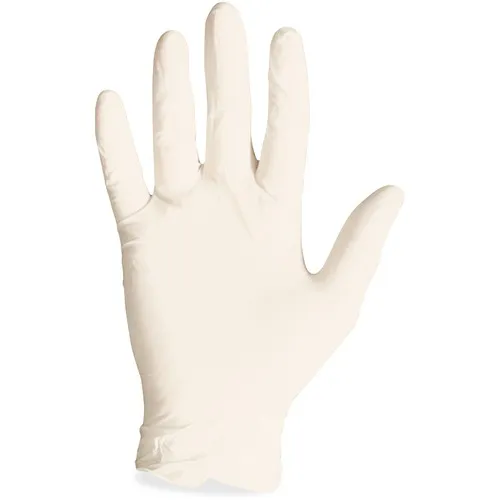
Latex gloves are known for their superior flexibility and snug fit, providing exceptional comfort and tactile sensitivity for detailed tasks. The natural rubber material stretches easily and returns to shape, making them a popular choice in healthcare and laboratory environments where precision and dexterity are important. Latex gloves are commonly used in medical exams, cleaning tasks, and food handling applications where comfort and control are key.
Facts About Latex Gloves
Latex gloves have long been a trusted choice in healthcare, laboratory, and professional environments because of their comfort, flexibility, and precise fit. Made from natural rubber latex, these gloves offer excellent tactile sensitivity and strong barrier protection for tasks that require precision and control.
Exceptional Flexibility and Comfort
Latex gloves are known for their superior elasticity and natural flexibility. The rubber material stretches easily and conforms closely to the shape of the hand, creating a snug, comfortable fit that moves naturally with the user’s hand. This flexibility helps reduce hand fatigue during extended wear and allows workers to perform detailed tasks with greater ease and control.
Excellent Tactile Sensitivity
Because latex gloves fit closely and remain highly flexible, they provide excellent tactile sensitivity. Users can feel small objects and subtle movements through the glove, making it easier to perform delicate or precise tasks. This level of sensitivity is especially beneficial in environments where accuracy and fine motor skills are important, such as healthcare, laboratory work, or detailed inspections.
Strong Barrier Protection
Latex gloves provide reliable protection against many biological contaminants, including bacteria and viruses. For this reason, they are commonly used in healthcare, dental, and laboratory environments where hygiene and infection control are critical.
Durable for Everyday Tasks
Although thinner than some industrial gloves, latex gloves still provide good resistance to tearing during normal use. Their flexibility helps them withstand repeated hand movements without easily breaking.
Powdered and Powder-Free Options
Latex gloves are available in both powdered and powder-free versions.
- Powdered gloves include a light cornstarch powder that makes them easier to put on and remove.
- Powder-free gloves are more commonly used today because they reduce the risk of irritation and contamination.
Important Allergy Consideration
Because latex gloves are made from natural rubber, some individuals may experience latex allergies or sensitivities. For this reason, many workplaces also offer nitrile or vinyl gloves as latex-free alternatives.
✔ Latex gloves remain a popular option for professionals who require a comfortable, flexible glove that provides excellent control and reliable protection during detailed tasks.
Vinyl Gloves
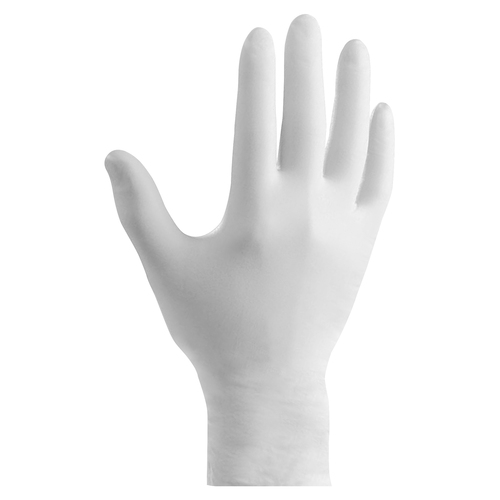
Vinyl gloves, crafted from PVC, a petroleum-derived film, are favored for their cost-effectiveness in production. However, they fall short in durability compared to latex and nitrile alternatives, providing only limited defense against chemical or biomedical exposure. When stretched or flexed, vinyl gloves suffer from molecular separation, compromising their protective barrier integrity. Moreover, concerns about their environmental footprint have been highlighted by Health & Safety International. Given their economical nature and modest protective capabilities, vinyl gloves find widespread usage in non-hazardous and low-infection settings.
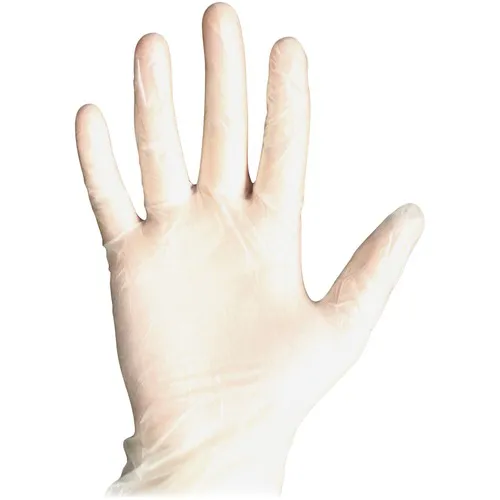
Facts About Vinyl Gloves
Vinyl gloves are a popular disposable glove option for light-duty tasks that require basic hygiene and protection. Made from polyvinyl chloride (PVC), vinyl gloves are latex-free and are often chosen for environments where gloves are changed frequently and cost efficiency is important.
Latex-Free Material
Vinyl gloves are made without natural rubber latex, making them a suitable option for workplaces where latex allergies or sensitivities may be a concern. This makes them a common choice in food service and general facility environments.
Cost-Effective Protection
One of the biggest advantages of vinyl gloves is their affordability. Because they are typically less expensive than nitrile or latex gloves, they are often used in high-volume settings where gloves are frequently replaced throughout the day.
Ideal for Light-Duty Tasks
Vinyl gloves are best suited for short-term tasks that require basic protection rather than heavy durability. They provide a protective barrier against dirt, mild chemicals, and contaminants but are not typically recommended for high-risk or heavy-duty applications.
Comfortable and Easy to Wear
Vinyl gloves have a looser fit than nitrile or latex gloves, which can make them easier to put on and remove quickly. This design is especially useful in environments where workers need to change gloves frequently during routine tasks. The relaxed fit allows for fast glove changes without sticking to the hands, helping maintain efficiency and hygiene in fast-paced workplaces such as food service, hospitality, and general cleaning operations.
Powder-Free Options
Most vinyl gloves today are manufactured as powder-free gloves. Powder-free designs help reduce contamination risks and minimize irritation compared with older powdered glove styles.
Common Workplace Applications
Vinyl gloves are widely used in workplaces that require quick glove changes and basic protection, including:
- Food service and food preparation
- Cafeterias and commercial kitchens
- Light janitorial and cleaning tasks
- Hospitality and housekeeping
- Beauty and salon services
When to Choose Vinyl Gloves
Vinyl gloves are a practical choice when tasks involve minimal risk and gloves need to be changed frequently. They are commonly used when protection from heavy chemicals, punctures, or sharp objects is not required.
✔ Vinyl gloves provide an economical solution for maintaining hygiene and basic protection in busy environments where disposable gloves are used regularly.
Polyethylene Gloves
Food service gloves help maintain hygiene and prevent cross-contamination when preparing or handling food. Disposable gloves create a sanitary barrier between hands and food products, supporting safe food handling practices in restaurants, cafeterias, catering operations, and commercial kitchens. These gloves are designed for comfort, easy changes, and reliable protection in fast-paced food preparation environments.

Facts About Polyethylene Gloves
Polyethylene gloves are lightweight disposable gloves commonly used for quick tasks that require basic hygiene and protection. Made from polyethylene plastic, these gloves are typically loose fitting and designed for short-term use in environments where gloves must be changed frequently.
Lightweight and Economical
Polyethylene gloves are one of the most affordable disposable glove options available. Their low cost makes them ideal for high-volume environments where workers need to change gloves often throughout the day.
Loose Fit for Quick Changes
Unlike nitrile or latex gloves that provide a snug fit, polyethylene gloves have a looser design. This allows workers to quickly put them on and remove them, which is especially useful in fast-paced environments.
Latex-Free Material
Polyethylene gloves are made without natural rubber latex, making them safe for workplaces where latex allergies may be a concern.
Ideal for Short-Term Tasks
Because polyethylene gloves are thin and lightweight, they are best suited for brief tasks that require minimal protection. They are not designed for heavy-duty work, chemical exposure, or tasks that involve sharp objects.
Commonly Used in Food Handling
Polyethylene gloves are widely used in food preparation and food service settings where workers must frequently change gloves to maintain sanitation standards. Their easy-on, easy-off design makes them convenient for handling ready-to-eat foods.
Common Workplace Applications
- Food service and food preparation
- Delis, bakeries, and cafeterias
- Grocery stores and produce handling
- Light housekeeping or sanitation tasks
✔ Polyethylene gloves provide a convenient and economical solution for maintaining hygiene in fast-paced environments where disposable gloves are used frequently for short tasks.
Cleaning Gloves
Cleaning gloves are an essential part of maintaining safe and sanitary environments in commercial kitchens, healthcare facilities, schools, and workplace settings. Designed to protect hands from harsh cleaning chemicals, hot water, grease, and contaminants, these gloves provide a durable barrier that helps prevent skin irritation and workplace injuries. With textured grips, extended cuffs, and chemical-resistant materials, cleaning gloves allow workers to handle dishes, surfaces, and sanitation tasks with confidence while maintaining comfort and control.
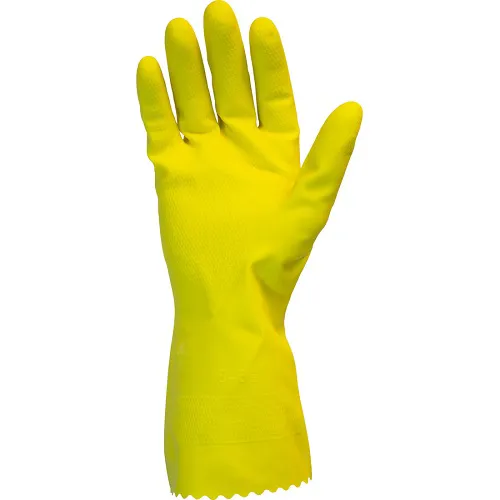
Facts About cleaning Gloves
Gloves designed for cleaning tasks help protect hands from chemicals, hot water, and contaminants commonly encountered during dishwashing and surface sanitation. These gloves are typically reusable and made from durable materials such as rubber, nitrile, or neoprene, allowing them to withstand frequent use in both commercial and residential cleaning environments.
Protection from Cleaning Chemicals
Many cleaning products contain strong chemicals such as disinfectants, degreasers, and detergents. Cleaning gloves create a protective barrier between the skin and these substances, helping reduce the risk of irritation, dryness, or chemical burns.
Protection from Hot Water
Dishwashing and sanitation tasks often involve hot water. Durable cleaning gloves help protect hands from prolonged exposure to heat while also allowing users to safely handle dishes and utensils during washing.
Improved Grip
Most cleaning gloves feature textured palms or fingertips that improve grip when handling wet dishes, glassware, or cleaning tools. This helps reduce the risk of dropping items or losing control when surfaces are slippery.
Durable and Reusable
Unlike disposable gloves, cleaning gloves are typically thicker and designed for repeated use. Their durability makes them suitable for daily cleaning tasks in kitchens, janitorial environments, and commercial facilities.
Extended Cuff Protection
Many cleaning gloves include longer cuffs that extend up the wrist or forearm. This additional coverage helps protect the skin from splashes and prevents water or cleaning solutions from entering the glove.
Comfortable for Longer Tasks
Cleaning gloves are designed to remain comfortable during extended use. Many styles include soft inner linings or ergonomic designs that reduce hand fatigue during repetitive cleaning tasks.
Common Workplace Applications
- Commercial kitchens and food service operations
- Janitorial and facility maintenance
- Hospitality and housekeeping
- Healthcare sanitation teams
- Schools and institutional facilities
✔ Using proper cleaning gloves helps protect workers from chemical exposure, improves grip and control during cleaning tasks, and supports safe and efficient sanitation practices in professional environments.
Work & Construction Gloves
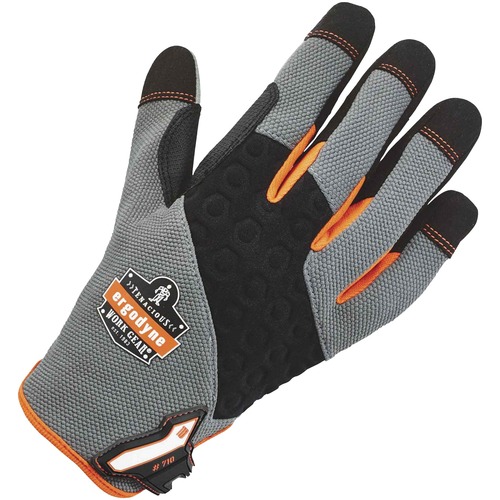
Work and construction gloves provide essential hand protection for professionals working in physically demanding environments. From handling tools and equipment to lifting heavy materials and working with rough surfaces, these gloves are built to help protect against abrasions, cuts, punctures, and impact injuries. Designed with durable materials, reinforced palms, and enhanced grip features, work gloves help improve safety, comfort, and control during tough jobs across construction, manufacturing, maintenance, and industrial applications.
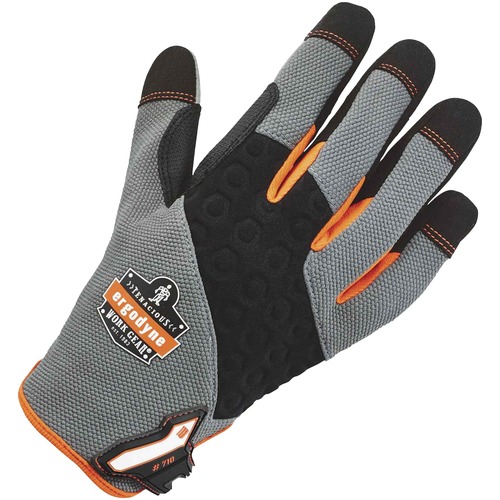
Facts About Work & Construction Gloves
Work and construction gloves are designed to protect hands in demanding environments where workers handle tools, heavy materials, and rough surfaces. Built for durability and performance, these gloves help reduce the risk of cuts, abrasions, punctures, and impact injuries while improving grip and control during manual tasks.
Protection from Abrasion and Cuts
Construction and industrial environments often involve sharp edges, rough materials, and heavy equipment. Work gloves are designed with reinforced materials that help protect hands from cuts, scrapes, and abrasions when handling tools, metal, wood, or building materials.
Reinforced Palms for Durability
Many work gloves feature reinforced palms made from synthetic leather, leather, or coated fabrics. These reinforcements help improve durability in high-wear areas and provide better grip when handling tools, machinery, or construction materials.
Improved Grip and Control
Work gloves often include textured coatings or grip-enhancing materials such as nitrile or latex coatings. These features help workers maintain a secure hold on tools, even when working in dusty, oily, or wet conditions.
Impact and Knuckle Protection
Some heavy-duty work gloves include impact-resistant padding or thermoplastic rubber (TPR) knuckle guards. These protective features help shield hands from impacts, crushing hazards, and accidental contact with hard surfaces.
Cut-Resistant Materials
Many industrial work gloves incorporate advanced fibers such as Kevlar®, HPPE, or other cut-resistant materials. These gloves are commonly used when working with sharp tools, metal, glass, or other materials that present a laceration risk.
Breathable Designs for Comfort
Work gloves are often designed with breathable fabrics or mesh backs that allow airflow. This helps reduce heat buildup and keeps hands comfortable during long work shifts.
Common Workplace Applications
- Construction and building trades
- Warehousing and logistics
- Automotive repair and maintenance
- Manufacturing and fabrication
- Landscaping and outdoor work
- Industrial maintenance and mechanical work
Types of Work Gloves
- Leather gloves for durability and abrasion resistance
- Coated work gloves for improved grip and dexterity
- Cut-resistant gloves for protection against sharp materials
- Impact gloves for heavy industrial and mechanical tasks
✔ Work and construction gloves help protect workers from common job-site hazards while improving grip, comfort, and productivity in demanding work environments.
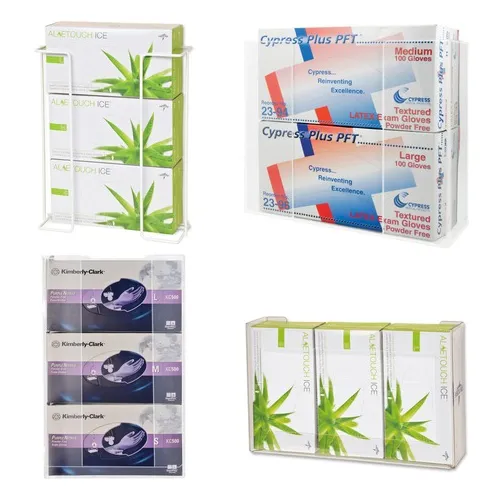
Box Holders for Gloves
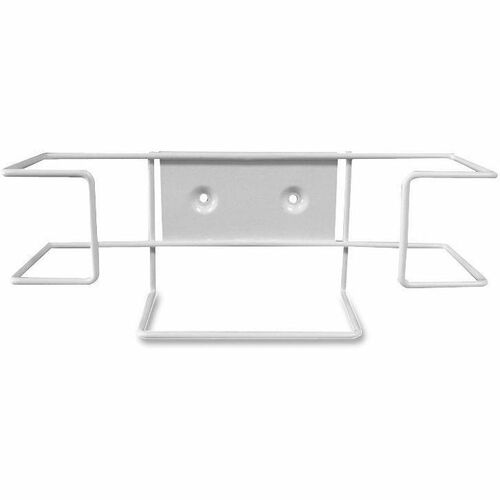
Glove box holders provide a convenient and organized way to store and dispense disposable gloves in busy work environments. By keeping glove boxes on a countertop or securely mounted to the wall, these holders help maintain a clean workspace while ensuring gloves are easily accessible when needed. Commonly used in healthcare facilities, laboratories, food service areas, and janitorial supply rooms, glove box holders help improve efficiency, reduce clutter, and support proper hygiene practices.